Five Frames for Photographing One Ordinary Building
You do not need a famous landmark to practice architectural photography. In fact, an ordinary building can be more useful because there is less pressure to produce an impressive image. Pick one structure you pass often—a corner shop, apartment block, school, station, or office—and make exactly five frames.
The five-frame exercise
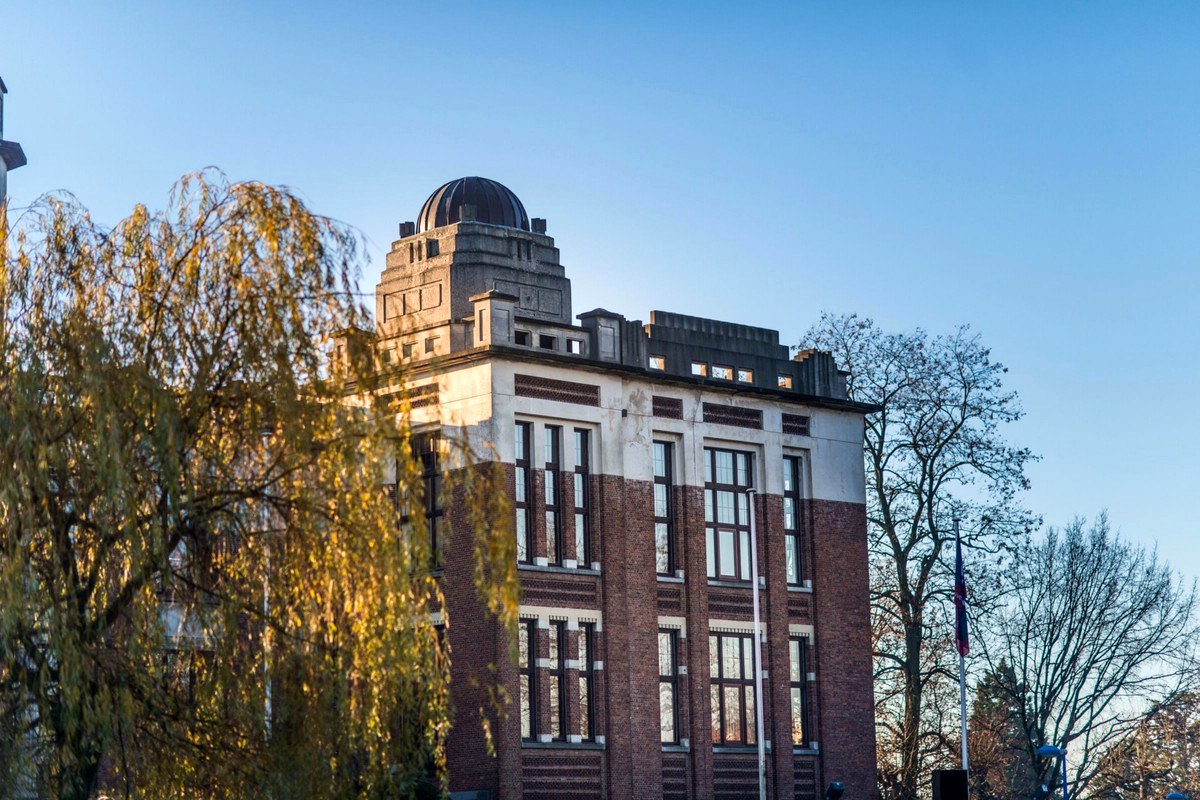
- The whole building. Step back far enough to show its overall shape. Include enough pavement, sky, or neighboring structures to make the proportions readable.
- The entrance. Move closer and photograph the point where people meet the building: doors, steps, signs, plants, lights, handles, or worn surfaces.
- One material detail. Choose brick, stone, tile, concrete, glass, wood, or metal. Fill most of the frame with the texture and let weathering, repairs, or reflections become the subject.
- The building in context. Include the street around it. Cars, bicycles, trees, utility lines, neighboring façades, and pedestrians help explain where the building belongs.
- An unexpected angle. Photograph upward from close to a wall, through a railing, from across a reflection, or from a side street. The aim is not novelty for its own sake; it is to break the first composition that came to mind.
Do not change lenses halfway through
If possible, use one focal length for all five frames. A phone camera or a single prime lens works well. Keeping the field of view consistent forces you to move your feet and makes the differences between the photographs come from position rather than equipment.
Wait for one human-scale clue
Architecture can look abstract without a sense of scale. You do not need a posed person in every picture, but wait for something that shows how the space is used: a cyclist passing, someone opening a door, a chair outside a café, a parked delivery bike, or a handrail worn smooth.
If no one appears, objects can do the same job. A standard doorway, bench, street sign, or small tree gives the viewer something familiar against which to judge the building.
Review the set as a sequence
When you are done, look at all five images together rather than deciding which single photograph is “best.” Do they reveal different information, or are several versions of the same idea? If two frames are too similar, return another day and replace one.
The exercise works because it is limited. Five frames are enough to make you move, compare, and choose, while staying focused on one subject. Repeat it with a different building next week and you will start noticing architecture long before you lift the camera.