Topic Selection
We choose a focused, low-friction subject that can be explained clearly and illustrated with real-world details.

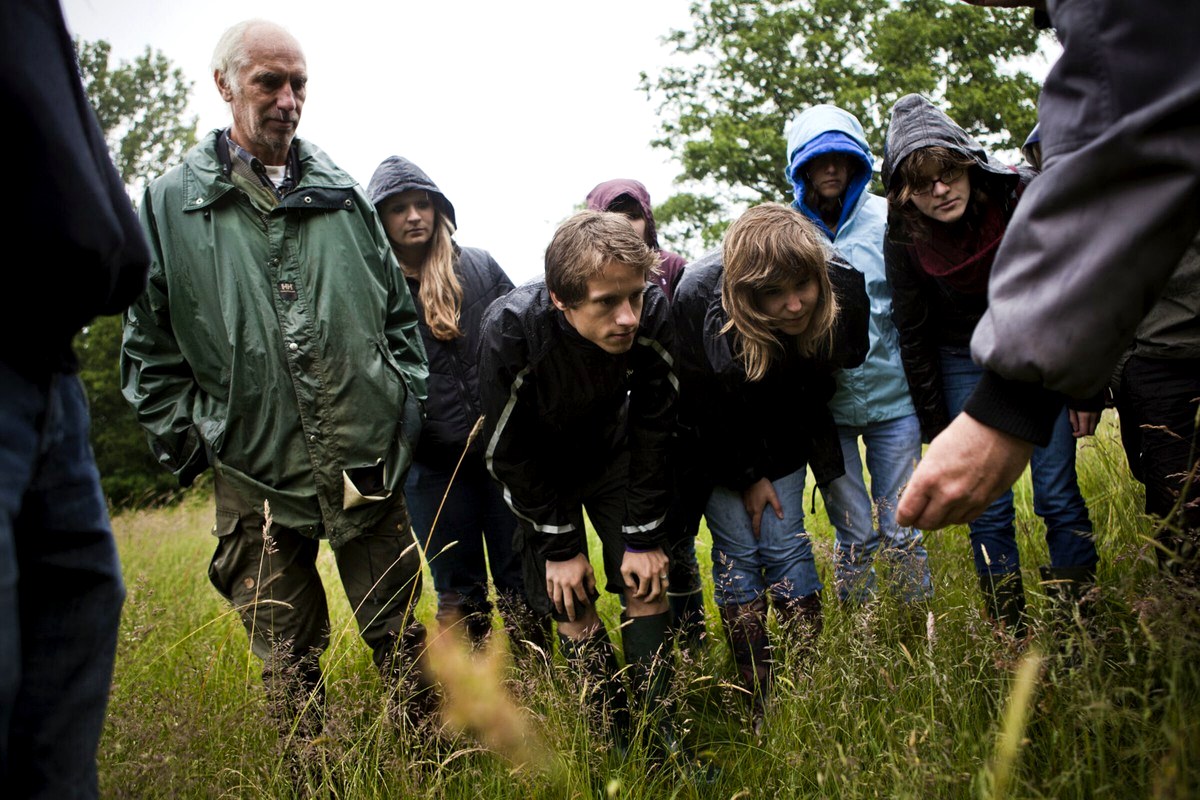
At Fieldnote & Hearth, each guide starts with a practical question and a real setting. We combine concrete examples, clear context, and careful editing so each piece gives readers something useful without pretending there is only one right way to do it.
We choose a focused, low-friction subject that can be explained clearly and illustrated with real-world details.
We gather the background, examples, seasonal context, and practical references needed to keep the article grounded.
We organize the piece around useful decisions, small examples, and a sequence that is easy to follow from beginning to end.
We remove repetition, soften unnecessary claims, and make sure the article leaves the reader with a clear idea rather than a long checklist.
We want practical writing to do two things at once: give the reader a clear next idea and show enough context to make that idea memorable. The strongest pieces connect a small action with the place, object, or habit around it.

Before a piece is published, we ask whether the steps make sense in an ordinary schedule, whether the examples feel concrete, and whether the images genuinely belong to the subject. If a paragraph adds noise rather than clarity, it goes.